
What If It’s Already Good?
I postponed writing my first book because I did not think how I turned my life around was a story worthy of sharing.
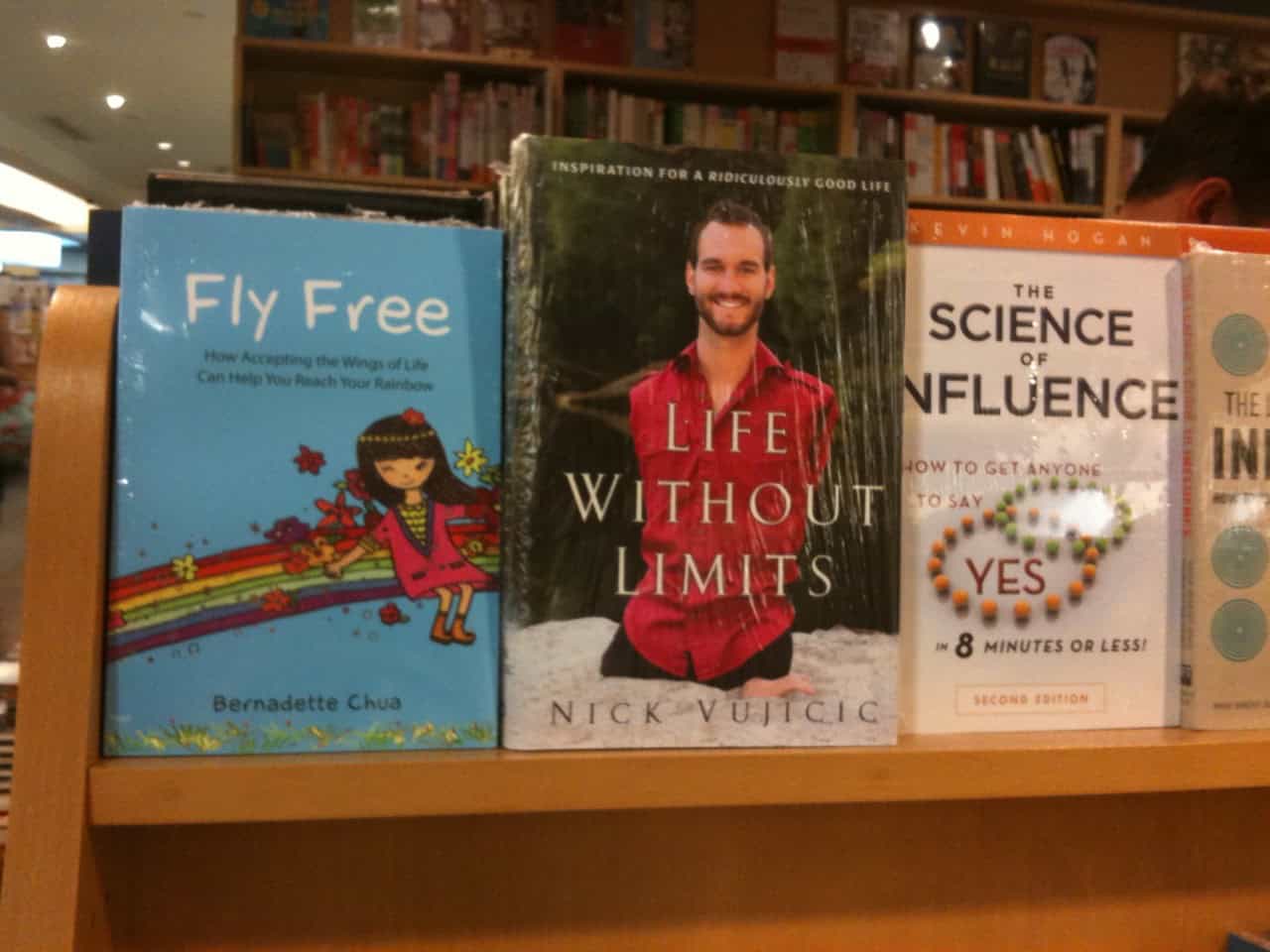
In my mind, I hadn’t arrived yet at least in the way the world defines success. So I consistently put the book on hold until the time I can say I am successful.
My breakthrough happened when I was on holiday in Barcelona in 2008. One evening, the realisation hit me: “I am successful where I am and that is good!”
That’s when my brain clicked and the concept including content for the book unfolded. Just like that.
You are good where you are. And it gets even better when you are where you want to be: same outcome, different premise, different intent and so very different in energy.
It is a gentle challenge to those of us with a striving mindset and competitive spirit to recognise we are good where we are at. To celebrate that.
It could also be due to where we sit on our happiness disposition.
Psychologists largely agree that there are two basic components of happiness – they classify happiness as either being hedonic or eudaimonic. These schools of thought are largely attributed to the Greek philosophers Aristippus and Aristotle, respectively.
Think of it as a happiness scale between two extremes of disposition.
Hedonia is when we experience happiness via material and sensory experiences such as alcohol, food, buying a new car, recognition by others, accomplishing a major goal. It revolves around our current feelings and emotional state; it seeks to increase pleasure and decrease pain.
Eudaimonia is when we experience happiness through finding purpose and meaning in our lives. Having purpose in our jobs, meaningful or impactful goals, alignment of values, development of one’s strengths, and self-actualisation make us happy.
Each of us lies somewhere on this continuum, and the ways we are motivated and the ways we derive happiness are different.
And at times, the two types of happiness are at odds with each other. For example, pursuing short-term pleasure does not always bring us long-term happiness. You may over-indulge in food that you enjoy but this has a long-term impact on your health and well-being.
In recent times, researchers have suggested that the eudaimonic approach to life can lead to substantial growth, inner peace and increased well-being.
I can see how this approach can also be beneficial for us as working professionals or entrepreneurs. It allows us to build discipline and resilience towards achieving our long-term goals.
At the same time, being able to enjoy momentary pleasures such as celebrating our milestones can be beneficial.
Think of moments when you feel quietly proud even if no one else noticed.
Incredible power and joy can be found in self-witnessing, not just external applause.
Where you want to be is never an indication of a lack in you of where you are at.
Positively Impacting Your Life
Reflection
Action
I love the word ‘sayang’ from the Malay language. As a verb, it means love/care, as in ‘I sayang you’. It can also be used as a noun to mean ‘dear’ or someone you love, as in ‘You are my sayang’.
One of the most critical aspects of nourishing ourselves is to have the ability to sayang ourselves. I use the word ability because for many of us, it is so much easier to love and care for others. It is innate in us. But when it comes to self-care or even self-compassion, that’s a different story.
To me, self-care is anything that we intentionally do or refrain from doing which enhances our well-being. That includes giving ourselves the same care, love and compassion that we give to others. There is no one-size-fits-all solution when it comes to self-care practices and preferences, as we are all unique. For example, I find making time for cycling, foot reflexology/massages and painting to be therapeutic. I also avoid self-critical thoughts when writing books and articles and I have learnt the art of saying no to preserve my sanity.
The more we are able to practise caring for our own well-being, the more we strengthen our ability to cope with and manage whatever comes our way. So for this week’s action, I invite you to sayang yourself intentionally.
Practice for the Week
How might you practice more of what the poet Brittin Oakman suggests?
I lied and said I was busy.
I was busy; but not in a way most people understand.
I was busy taking deeper breaths.
I was busy silencing irrational thoughts.
I was busy calming a racing heart.
I was busy telling myself I am okay.
Sometimes, this is my busy – and I will not apologise for it.