
SURRENDER – All Is Well
“I surrender to my inner guidance.”
Week 7 – 12 Feb 2025

Sweet Love

February 14 – celebration of love.

In the flow of the sweetness of love, I like to talk about the toxicity in relationships.

Being in toxic relationships – be it your love/ family / friends – is one of the strong power leakages in our lives.

Yet oftentimes people in toxic relationships are reluctant to speak up choosing to suffer in silence.

I think that has to stop.

If we are aware of how a toxic relationship looks like, then we can stop being blinded by love.

In next month’s The Good Life session, we have the privilege of hearing from the speaker on how she bravely faced the toxicity in her relationship and rebuilt her life.

As a strong person and love optimist from a young age, I too have been blinded by love.

My first crush was on this boy whom I named 6.55 because I always see him at 6.55pm at the mama stall (provision shop) downstairs. I was in Primary 5 then. He was cute and tall with a breathtaking smile. He was also a “bad boy”.

In secondary school, all the boys I were attracted to were the juvenile delinquent type – boys who smoked, played truant, and were naughty.

I had lots of decent boys as friends but once I found out that they were interested in me, I shut down the friendship.

I worshipped the ground of the naughty ones who weren’t good for me; and I rejected the courtship of gentlemanly guys who spent their weekly allowance on roses for me.

My ex-husband was also a bad boy. When I first met him, he was wearing a leather jacket, bandana, and earrings. He had a colourful background and past.

The man I fell in love with after I left my marriage was provocative, different, also with a colourful past, and had a complicated model of the world with mind-boggling perspectives. After my break-up with him, I started dating. Once again, I was drawn to men who were totally non-suitable for me.

Martyr syndrome. Saviour mentality.
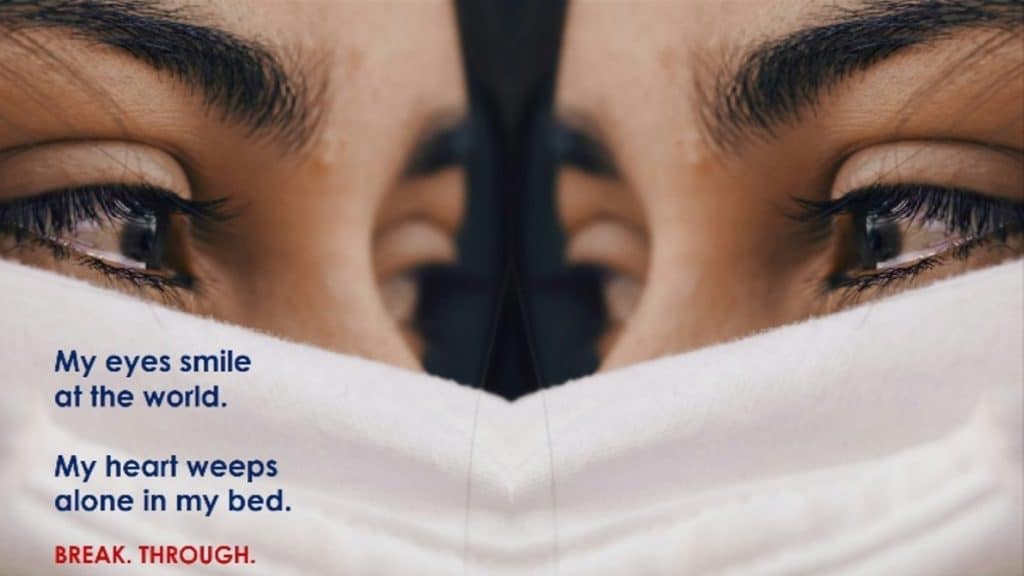
A friend summed it up best when she advised me: you must be careful about your saviour mentality because when you get close to someone and he is crap, you will find yourself being pulled in even deeper.

Self-awareness meant that I had to recognise that my attraction to this type of man is really non-useful.

I was worried that I would keep falling for them and hence, a lifetime of misery.

It contradicted my desire to be in a nurturing and loving relationship. I needed to recognize that the relationships I had to-date were not sweet but toxic ones.

And to snap out of the deny denial phase – this is where we are not only in denial but we deny that we are in denial. Double whammy.

Toxic relationships tend to exhibit a pattern of negativity where at least one partner causes harm in some way, whether purposeful or not. The parties do not communicate or relate to one another in healthy ways. Conflict easily arises.

I had plenty of that in the relationships but the strong me refused to surrender (last week’s sharing that being strong means not surrendering). I also felt helpless in getting out of them.

However, there is a time to hold on and also moment to let go.

When I decided to get out of them, the following action steps were useful:

  • I released my feelings of shame and shared fully with my good friend. That was when things started to shift.
  • Went cold turkey as in I avoided any communications with them; being friends was not a viable option in my case.
  • Sought professional support and therapy to accelerate my healing.
  • Built a supportive network.

In some instances, it may not be possible for you to leave a toxic relationship or cut off ties.

Nonetheless, it is helpful to recognize them for what they are. So that you can do what you can to mitigate the adverse impact and better manage the unhealthy relationship.

If you are unsure if your relationship(s) is toxic, have a read in the Action section where my colleague Dr Sunita Rai, Clinical & Counselling Psychologist, shares the signs and symptoms of toxic relationships and abusive ones.
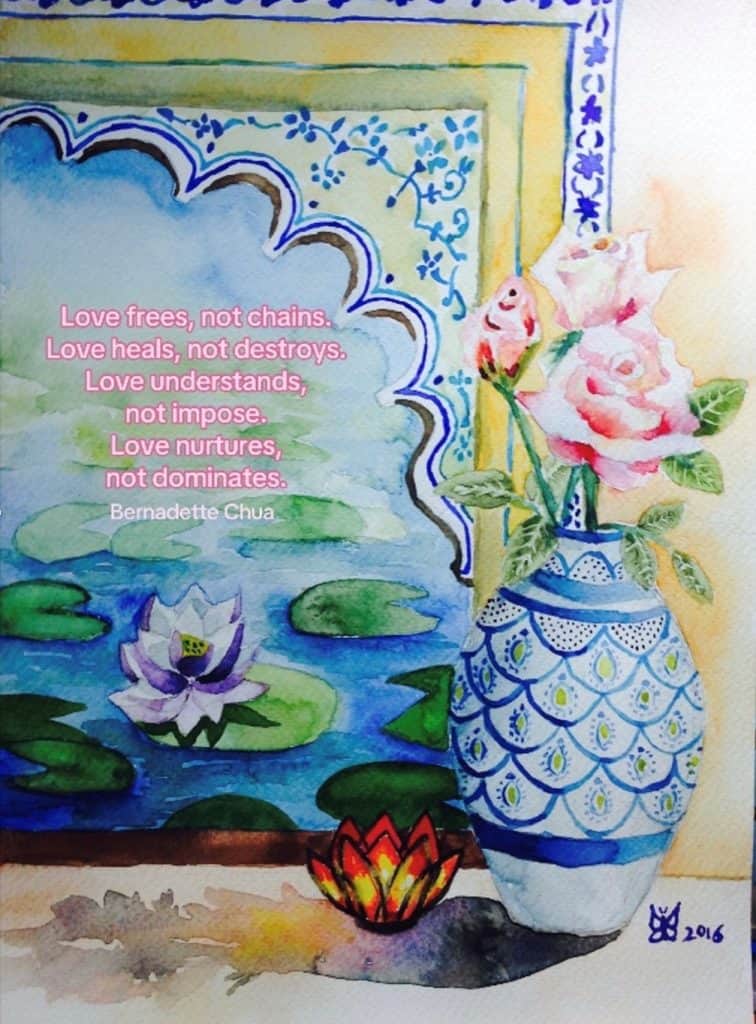
Healthy & Happy Relationships Exist!

Reflection

  • Is there any relationship(s) that is causing you stress or heartache?
  • What is the primary reason for enduring the toxicity or unhealthy relationship?
  • What is one action you can take to protect or extract yourself from it?

Action

Think about a relationship that is causing you distress and/or heartache. Review it against the Toxicity in Relationships list below. The list is provided by Dr Sunita Rai (PsyD, CMT-P, CMSAC, MICIP-AS), a Clinical & Counselling Psychologist and founder of The Holistic Psychotherapy Centre.

Toxicity in Relationships

  • Lack of Trust
  • Constant suspicion or jealousy without reason.
  • Feeling the need to monitor the other person’s activities such as often checking your mobile or emails
  • Poor Communication
  • Frequent misunderstandings over the smallest things
  • Inability or unwillingness to discuss feelings or concerns, often walking away
  • Conversations often devolve into heated arguments.
  • Controlling Behaviours
  • One partner making all decisions without considering the other’s input.
  • Restricting access to friends, family, or resources.
  • Dictating how the other should dress, behave, or live.
  • Frequent Criticism or Belittlement
  • Regularly pointing out faults or making the other feel inadequate.
  • Mocking, sarcasm, or disdain in interactions.
  • Disrespect for Personal Boundaries
  • Ignoring requests for space or time alone.
  • Overstepping personal boundaries repeatedly.
  • Lack of Support
  • Not being there for each other during difficult times such as career challenges, loss of love ones.
  • Dismissing or ridiculing each other’s achievements or ambitions.
  • Dependence and Co-dependency
  • Feeling like you cannot live without the other, even if being together is painful.
  • One or both partners sacrificing personal needs and identity for the relationship.
  • Manipulation
  • Using guilt, threats, or emotional blackmail to control the other. Such as threatening to end their life if the other leaves.
  • Twisting situations to blame the other for their own actions.
  • Aggression or Abuse
  • Any form of physical, sexual, emotional, or verbal abuse.
  • Intimidation or threats of violence.
  • Isolation
  • Gradual isolation from friends, family, and social activities.
  • Feeling like your partner is the only person in your world.
  • Unequal Effort
  • One partner consistently putting more effort into maintaining the relationship.
  • Imbalance in giving and receiving care, affection, and support.
  • Lack of Personal Growth
  • Feeling stifled or unable to pursue personal interests and goals.
  • The relationship feels like it’s holding you back instead of encouraging growth.

Abusive Relationship

If you have many of the earlier toxic relationship, it may be a single of an abusive relationship. Here is a more detailed observation of very abusive relationships:

  • Physical Abuse
  • Any form of physical harm, including hitting, slapping, pushing, or using force in a threatening way.
  • Preventing someone from leaving or forcing them to go somewhere.
  • Emotional or Psychological Abuse
  • Constant criticism, belittling, or humiliation.
  • Intimidation, threats, or causing fear through looks, actions, or destruction of property.
  • Manipulation and control, including isolating you from friends and family.
  • Sexual Abuse
  • Coercing or attempting to coerce any sexual contact without consent.
  • Marital rape or attacks on sexual parts of the body.
  • Treating you in a sexually demeaning manner.
  • Verbal Abuse
  • Yelling, shouting, or swearing in a way meant to intimidate or belittle.
  • Persistent name-calling and insults.
  • Financial Abuse
  • Controlling finances without your consent, including taking your money or refusing access to bank accounts.
  • Preventing you from working or choosing your own career.
  • Stalking
  • Following or spying on you, showing up uninvited at work or home.
  • Constant calling or messaging, monitoring your phone calls, texts, or social media.
  • Digital Abuse
  • Using technology to intimidate, harass, or threaten, including through social media.
  • Demanding passwords to social media or email accounts.
  • Using Children
  • Using children to relay messages or make threats.
  • Threatening to take away or harm the children.
  • Coercion and Threats
  • Making threats to harm you, themselves, your loved ones, or even pets.
  • Threatening to make false allegations to police or authorities.
  • Denial and Blame
  • Denying the abuse occurred or downplaying its severity.
  • Shifting responsibility for abusive behaviour, blaming you or external factors.

Practice for the Week

No matter what it takes, maintain your power, intent and grace.