
Designing Impact With Intention
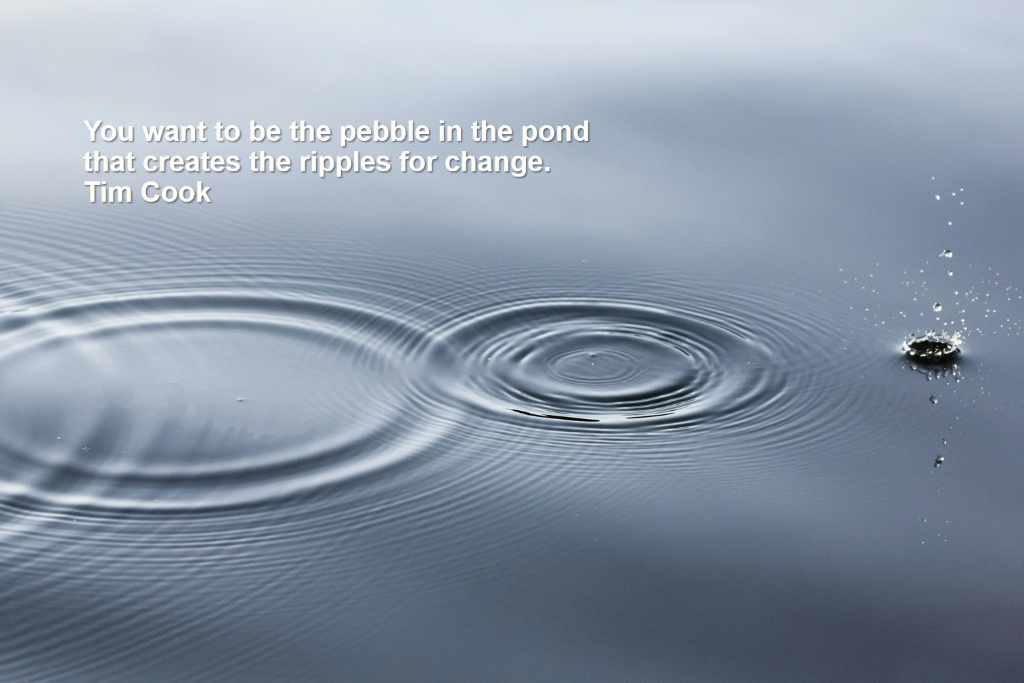
December is a natural time to take stock of not just of what we’ve done, but of what we’re shaping.
For those of us who are heart-led and awakened, impact isn’t about being everywhere or doing everything.
It’s about choosing what matters most and following through with intention.
Visionary leadership isn’t about volume, it’s about alignment. One clear decision, made with care, can create a ripple that shifts how others think, feel, or act. That’s the kind of impact that lasts.
Ripple-effect goals are those that:
They’re not just about what you accomplish, they’re also about what you awaken in others.
Google’s Project Aristotle that we mentioned in last week’s Sunshine Inbox found that psychological safety is the top factor in team performance. But what drives safety? Purposeful leadership. When leaders are clear about why they do what they do and align that with how they show up, teams thrive.
Research from McKinsey and other leadership studies shows that purposeful leadership ie when leaders act with clarity, empathy and alignment can significantly enhance psychological safety within teams.
The Chobani story is an example of purposeful leadership.

Hamdi Ulukaya, the founder of Chobani, built more than a yogurt empire.
As a first-generation immigrant, he founded Chobani with a clear purpose: to create delicious food and do good in the process.
But what makes his leadership truly ripple-worthy is how he treats people.
When Chobani began to grow, Ulukaya made a bold decision: he gave 10% of the company’s shares to his employees. Factory workers, janitors and line managers suddenly became owners. He also hired hundreds of refugees, offering not just jobs but belonging.
His leadership wasn’t loud, it was intentional. He didn’t just set goals; he set values in motion.
“The answer to everything is people,” Ulukaya said. “If you take care of your people, they will take care of your business.” This is visionary leadership in practice: aligning purpose with action and creating ripples that extend far beyond profit.
3 Actionable Strategies to Design Impact with Intention:
1. Start with a “Why That Moves You”
Before setting goals, ask: What do I deeply care about? What change do I want to spark in others? Let your emotional resonance guide your strategic clarity. In the past few years, besides being a dream catalyst, I realised that I also enjoy connecting affinities. As such, I am intentional about the work I do and the events and courses that I attend. It must allow me to create impact or provide me with resources to further support others. This also applies to the charitable initiatives and causes that I support.
2. Map the Ripple Path
Visualize how your goal might affect others not just directly but indirectly. Try this: Create a ripple map: You → Team → Clients → Community → Future Generations. Thinking about the ripple path is useful. For example, I have intentionally been supporting Cerebral Palsy Alliance Singapore (CPAS) in Singapore, Safe Haven Projects in Indonesia and Global Village for Hope in Myanmar because they align to my joy in supporting education for children and also, the ripple effect is extensive. All my fundraising efforts for them is rooted in what I term as “amplified impact and goodness”, designing initiatives where multiple stakeholders benefit.
For example, my first initiative for CPAS Art-On-the-Move brought CPAS clients’ artwork into public spaces like W Hotel and Kith Cafe, allowing the public to purchase pieces while meeting the artists themselves. It wasn’t just about raising funds, it was about raising awareness, creating connection and allowing businesses to do good too. Amplified impact and goodness.
3. Choose One Human-Centric Metric
Instead of only tracking revenue or reach, choose one metric that reflects emotional or relational impact. Examples: “Number of people who felt seen,” “Stories shared,” “Moments of courage sparked.” I love including human-centric metrics as it provides the heart to what we do. For example, one of the metrics for the club is receiving unexpected sharing of effect/ impact from members that happened as a result of being in the club. It has been happening frequently affirming my calling to start the club. We can all design goals that feel like gifts; intentional, generous and deeply human.
Purposeful leadership isn’t just inspiring, it’s strategic. When you are clear about why you do what you do and act in ways that reflect that purpose, you create the conditions for others to feel safe, speak up and thrive.
And that’s where the ripple begins. Not with grand gestures, but with consistent choices that reflect who you are and what you stand for.
Whether you’re leading a team, raising a child or exchanging words with a stranger, your clarity becomes a compass for others. This December, let your goals be more than tasks, let them be invitations to light and goodness.
Visionary Leadership & Purposeful Action
Reflection
Action
For this week’s action, put aside time to conduct a personal Impact Inventory Audit, a simple audit of where your energy, time and attention have gone this year. The goal is not to judge but to notice patterns and realign with purpose.
Step 1: List 5–7 projects, relationships or efforts you invested in this year.
Step 2: For each, ask:
Step 3: Circle the ones that felt most purposeful. Let those guide your next goals.
Doing this practice enables you to move from scattered effort to intentional design.
Practice for the Week
I enjoy watching videos such as this where the content creators intentionally choose to support a cause aligned to their purpose. In this video, it is buying from vendors with no customers.